
How UX and SEO Work Together to Boost Website Success

by | May 12, 2025 | Blog | 1 comment

Modern websites can no longer afford to treat user experience (UX) and search engine optimization (SEO) as separate strategies. Having a beautiful website isn’t enough. To rank well on search engines and keep users engaged, you need to focus on both User Experience (UX) and Search Engine Optimization (SEO).

Google’s ranking algorithms now prioritize websites that offer real value to users — and that starts with great UX. These two elements, when combined, create a powerful strategy for long-term online success.

What Is UX and Why Does It Matter for SEO?

User Experience (UX) refers to how a user feels while navigating your website. If it’s smooth, easy, and intuitive, users will stay longer — which directly impacts your SEO performance.

Search engines like Google are becoming smarter at understanding what users want. That means your website’s design, structure, and content must serve real people — not just algorithms. Google interprets long sessions and low bounce rates as signs of a valuable site. If your visitors enjoy navigating your site, stay longer, and find what they need easily, Google sees those actions as positive signals.

Key UX Elements That Impact SEO

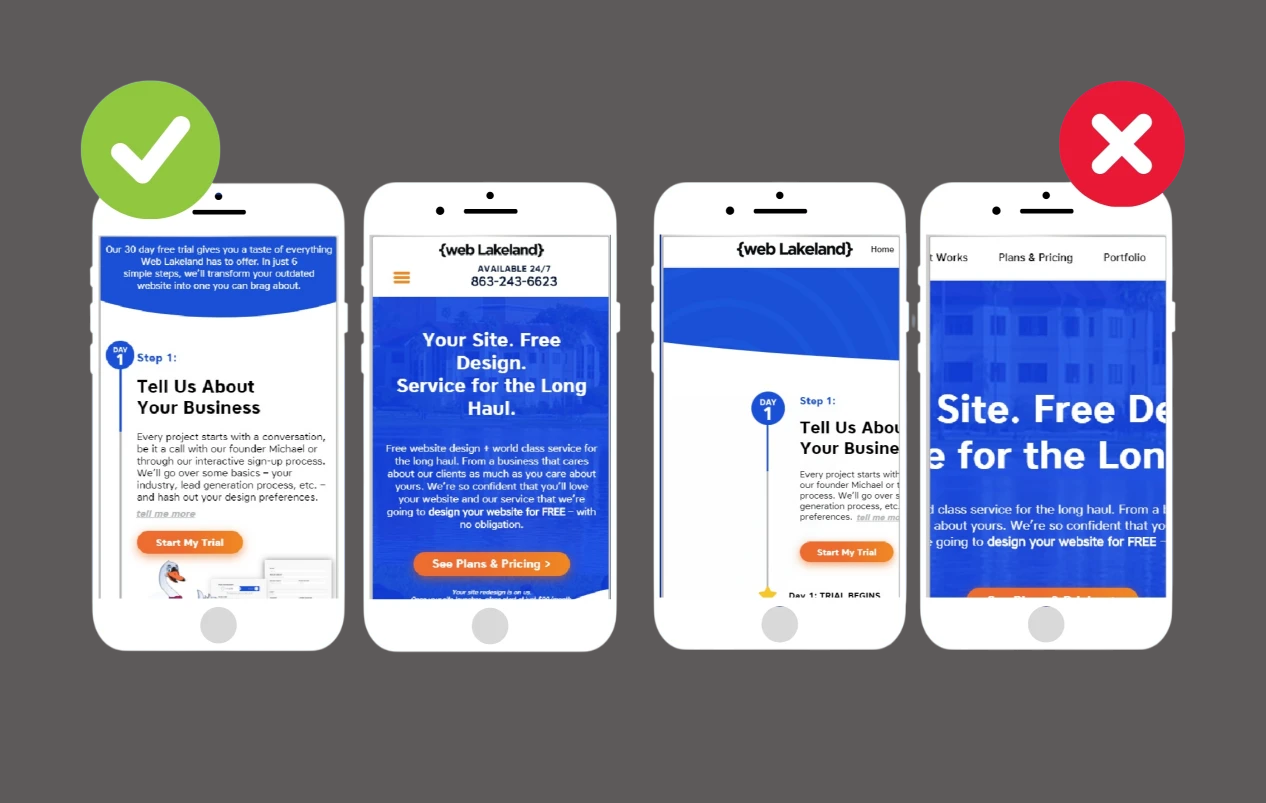
  • Mobile-Friendliness: More than half of all web traffic comes from mobile devices. If your site isn’t optimized for smartphones or tablets, you’re likely losing both users and rankings.
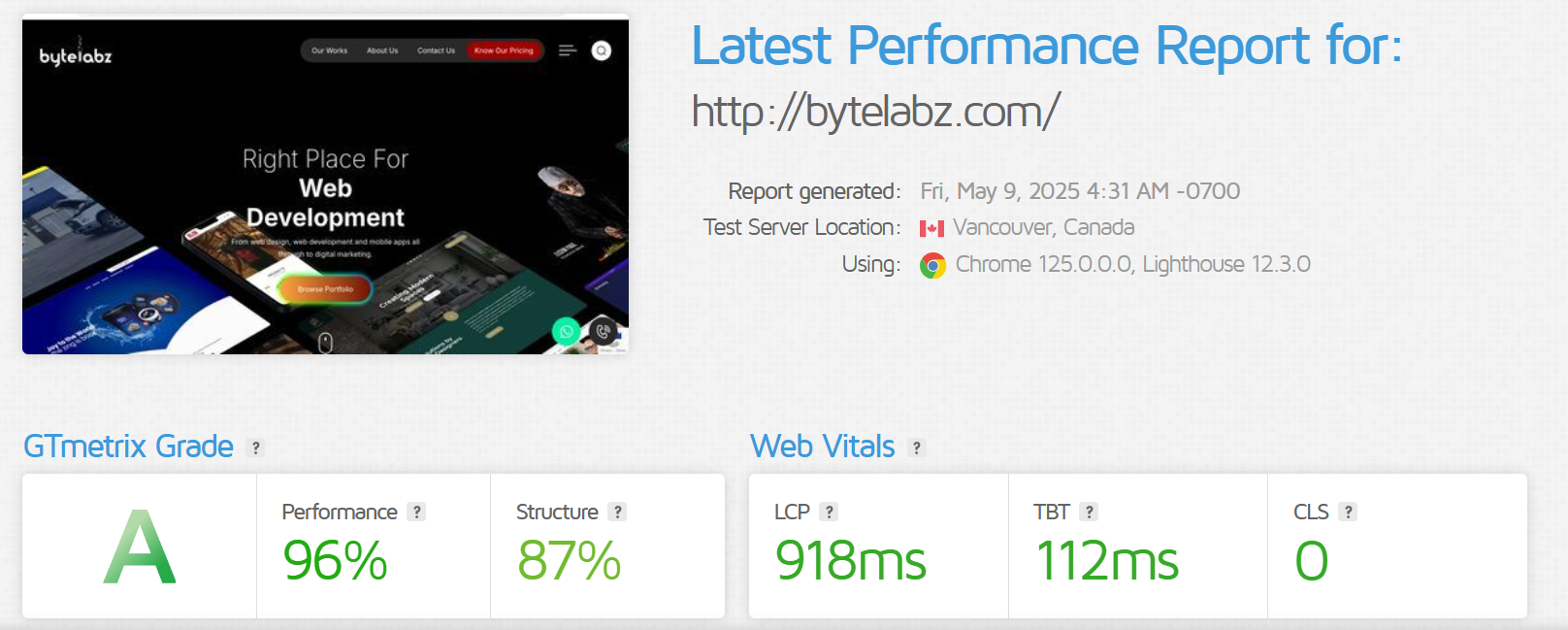
  • Page Speed: Users won’t wait more than a few seconds for a page to load. Slow websites increase bounce rates, which can negatively affect your SEO.
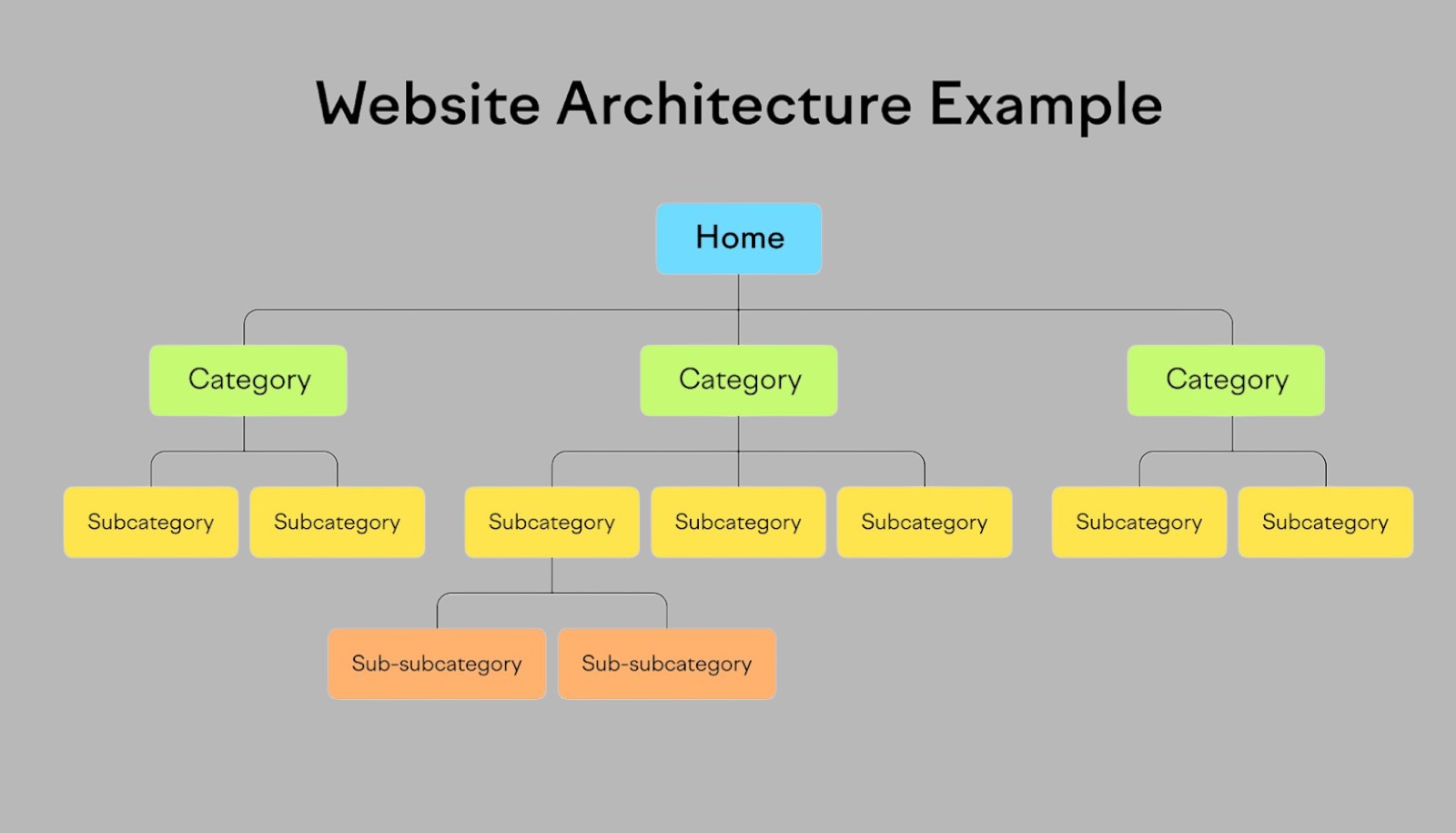
  • Clear Navigation: A well-structured website helps users find information quickly. This also helps search engines crawl your site more effectively.
  • Readable, Engaging Content: Easy-to-read, valuable content keeps users engaged. When people stay longer on your site, it signals to Google that your content is relevant and useful.
  • Safe and Secure (HTTPS): Security is part of user experience. Having a secure website not only builds trust but is also a ranking factor.

How to Optimize UX to Improve SEO Results


  1. 1. Speed Up Your Website

Slow websites lead to high bounce rates. Page speed is a key Google ranking factor.
How to fix it:

  1. 2. Make Your Website Mobile-Friendly

Mobile-first indexing means Google ranks your site based on the mobile version.
How to fix it:
  • Use responsive design
  • Avoid pop-ups and elements that cover content
  • Test using Google’s Mobile-Friendly Test
 
  1. 3. Improve Site Navigation

Clear navigation helps users and search engines discover content easily.
How to fix it:
  • Use a clear, intuitive menu
  • Add breadcrumbs
  • Keep the menu structure flat and organized
 
  1. 4. Use Clean, Readable Design

Good visual hierarchy improves engagement, which boosts time on site and reduces bounce rate.
How to fix it:
  • Use legible fonts and adequate spacing
  • Break content into sections with headings and bullets
  • Maintain consistent layout and colors
 
  1. 5. Create Engaging and Helpful Content

SEO is content-driven. Valuable, easy-to-consume content keeps users on your site.
How to fix it:
  • Write for users, not just keywords
  • Add images, videos, and infographics
  • Use proper H1, H2, and H3 tags for structure
 
  1. 6. Ensure Accessibility and Security

Accessible websites are more user-friendly and secure sites (HTTPS) get a ranking boost.
  How to fix it:
  • Use alt text for images
  • Make sure the site is keyboard-navigable
  • Install an SSL certificate
 
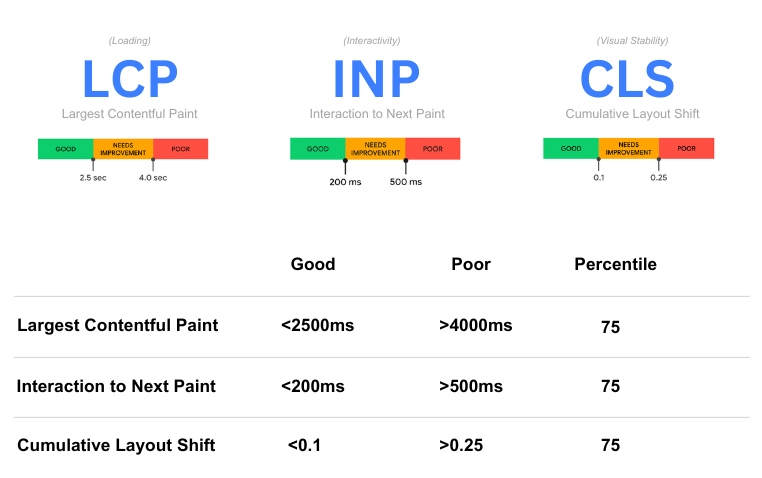
  1. 7. Improve Core Web Vitals

Google’s Core Web Vitals are official ranking factors.
  Metrics to optimize:
  • LCP (Largest Contentful Paint) – loading performance
  • FID (First Input Delay) – interactivity
  • CLS (Cumulative Layout Shift) – visual stability
 
  1. 8. Encourage User Interaction

Clicks, scrolls, and other interactions are positive UX signals to search engines.
  How to fix it:
  • Add internal links and CTAs
  • Use interactive elements like tabs, sliders, or FAQs
  • Enable commenting or review sections (where relevant)
 

UX & SEO: The Dynamic Duo for Website Success

UX and SEO are not separate strategies—they’re interconnected. By focusing on a seamless user experience, you naturally improve SEO performance. And when your site ranks well, you attract more traffic, which creates a cycle of growth and success.

How to choose a reliable web design company in Kottayam?

Introduction In today’s digital-first world, your website is often the first impression your business makes. Whether you run a small local business or a growing enterprise in Kottayam, having a professionally designed website is no longer optional—it’s essential....

What AI Sees When It Visits Your Website & How to Fix It?

Have you ever wondered what AI sees when it visits your website? Many website owners focus on design, colors, and user experience—but search engines and AI systems don’t see your website the same way humans do. Understanding what AI sees when it visits your website is...

Google Search Results in 2026: New Features & SEO Strategies

The digital landscape is constantly evolving, and Google search results in 2026 are more advanced, intelligent, and user-focused than ever before. With the integration of artificial intelligence, enhanced search intent recognition, and dynamic result formats, Google...

What Makes a Website Truly Stand Out in 2026?

In today’s fast-evolving digital world, having a website is no longer enough. In 2026, businesses need websites that not only look good but also perform exceptionally well. A truly outstanding website is one that captures attention, builds trust, and drives real...

Organic SEO vs Paid SEO What’s Right For Your Business?

Introduction In the digital age, businesses rely heavily on search engines to attract customers and build brand awareness. Whether a company is launching a new website or expanding its digital marketing strategy, improving search engine visibility is essential. One of...

Quality vs Quantity Backlinks in 2026 What Really Matters?

Quality vs quantity backlinks in 2026 is a major topic in modern SEO. While backlinks continue to be a key ranking factor, search engines like Google now focus more on the quality and relevance of links rather than the total number. A few backlinks from authoritative...

Your Local Digital Marketing Partner in Trivandrum

Why Digital Marketing in Trivandrum Matters More Than Ever? Trivandrum (Thiruvananthapuram) is rapidly emerging as a hub for IT services, start-ups, tourism, education, and healthcare. As competition increases across industries, digital marketing in Trivandrum is no...

Rank Higher, Faster with the Power of AI SEO.

How to Rank Faster Using AI SEO? In today’s highly competitive digital landscape, achieving a high rank on search engine result pages (SERPs) is crucial for the success of any online business. Traditional SEO methods, though effective, can be slow and require a...

Trivandrum Is Redefining Digital Marketing in Kerala

Why Trivandrum Is Becoming Kerala’s Fastest-Growing Digital Marketing Hub? In the digital era, cities that embrace innovation, infrastructure, and talent development often become the thriving epicentres of modern industries. Trivandrum, Kerala’s capital city, is...