Author: Bytelabz
In today’s digital world, having a strong online presence is crucial for any business. A website acts as the face of your brand, creating the first impression for potential customers. For businesses in Trivandrum, partnering with a reliable web design and development company in Trivandrum can make a significant difference in how you reach and engage with your audience.
Why Is Web Design Important?
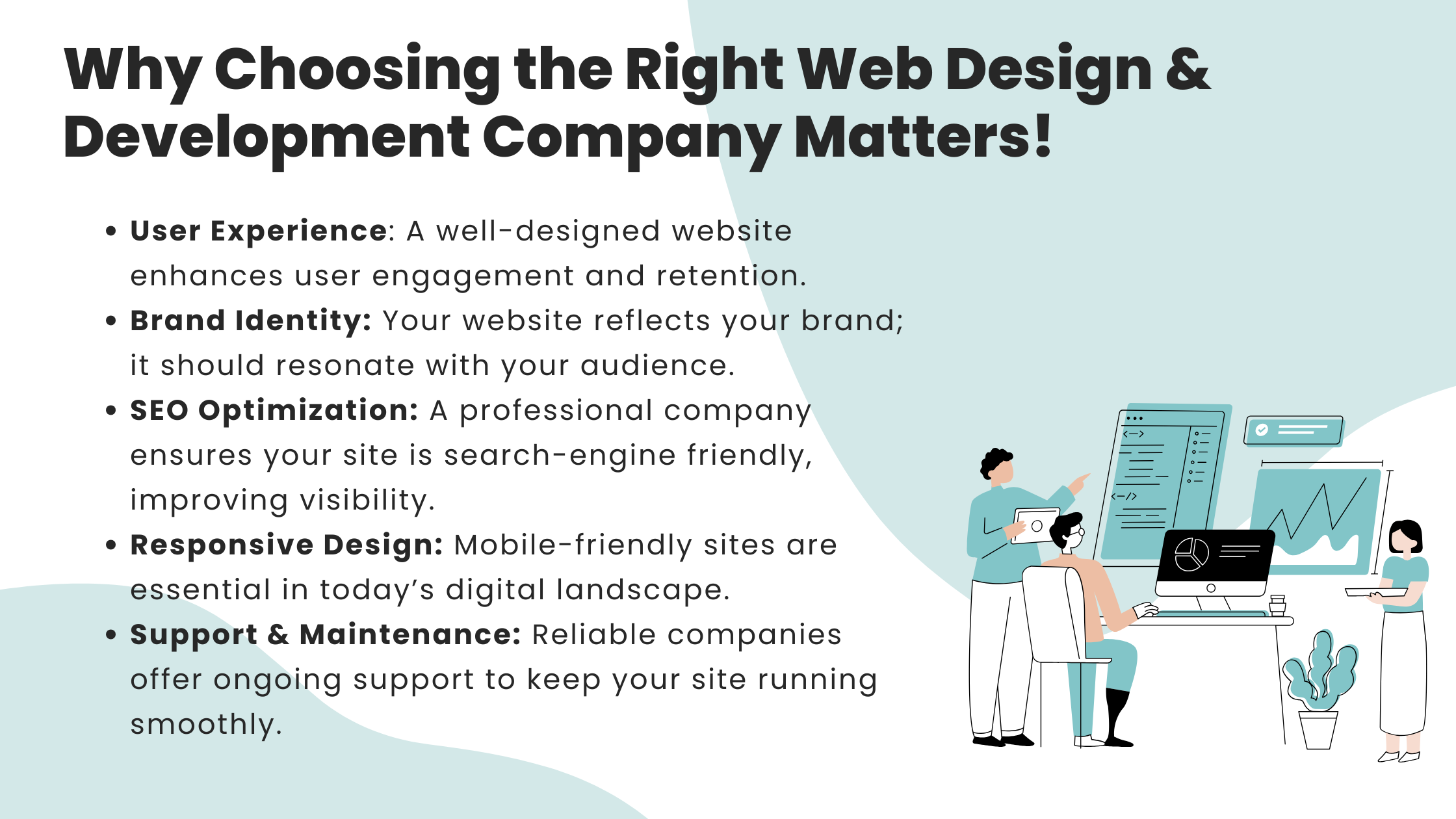
Your website is more than just a collection of pages. It’s a tool that helps you communicate your brand’s message, showcase your services, and convert visitors into customers. An attractive and user-friendly website ensures a seamless experience for users, increasing the likelihood of return visits and business growth. This is where a web design company in Trivandrum can help you build a website that stands out.

What to Look for in a Web Designing Company?
When searching for the best web design company in Trivandrum, there are several factors you need to consider. A good web design company will understand your business goals, target audience, and industry trends to create a website tailored to your needs. Here are a few qualities to look for:
- Custom Design Solutions – Every business is unique, and so should be your website. Look for a company that offers customized web designs that reflect your brand’s personality and appeal to your audience. The top web design company in Trivandrum will always focus on creating designs that fit your specific needs.
- User Experience (UX) Focused – A visually appealing website is great, but it’s essential that it provides a smooth user experience as well. Easy navigation, fast loading times, and mobile responsiveness are crucial features for any modern website. Partnering with a web development company in Trivandrum ensures your site is optimized for the best performance.
- SEO-Friendly Design – A well-designed website is of little use if it’s not visible to search engines. The best web designing company in Trivandrum will ensure your website is built with SEO (Search Engine Optimization) in mind, helping you rank higher on Google and attract more traffic organically.
The Benefits of Hiring a Web Design Company in Trivandrum
Trivandrum has grown to be a hub for technology and innovation, and with that, the demand for professional web designing in Trivandrum has increased. Whether you’re a small business or a large enterprise, here are some benefits of hiring a local web design company in Trivandrum:
- Local Expertise – A Trivandrum-based web design company understands the local market, your audience’s preferences, and what works best for businesses in the region. This knowledge can be vital for creating a website that resonates with local customers.
- Personalized Service – Working with a local team allows for better communication, faster turnaround times, and more personalized service. You can meet with the team, discuss your vision, and get real-time updates.
- Ongoing Support – The relationship doesn’t end once the website is live. The best web design company in Trivandrum offers ongoing support to ensure your website stays updated, secure, and performs well.
How to Choose the Best Web Design and Development Company in Trivandrum
Your website is one of the most important assets of your business, and choosing the right web design and development company in Trivandrum is crucial for its success. Look for a company that offers creative designs, focuses on user experience, and ensures SEO-friendly development. A well-designed website can make a lasting impact and help your business thrive in the competitive online space.
If you’re looking for the best web designing company in Trivandrum, make sure to choose one that aligns with your vision and helps you achieve your business goals.
Why Your Business Needs Google My Business?
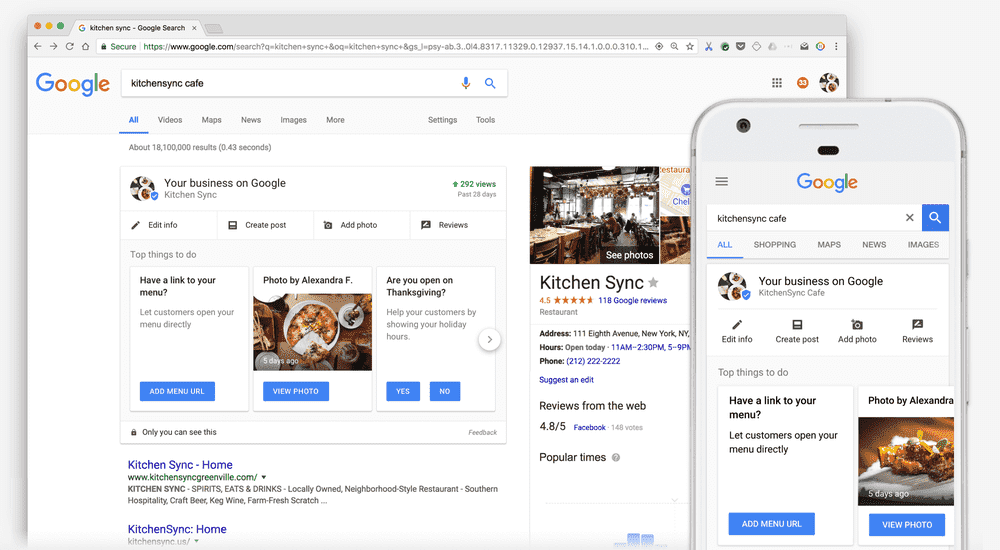
Having a Google Business Profile is like having a virtual shopfront that people see when they search for your business online. It helps you build trust and credibility with your customers. Optimizing your Google Business Profile helps customers find your business by sharing key details like address, contact info, and reviews.
In today’s digital world, having a strong online presence is essential for business growth. One effective way to achieve this is by creating a Google My Business profile. In this post, we’ll explain how to create your profile and how to keep it updated for the best results.
Exploring Google My Business
Google offers a free marketing tool called Google Business Profile, allowing business owners to manage their online presence on Google Maps and Search.
Setting up a Google Business Profile boosts your visibility by sharing photos and key details like your location, services, and products with Google.
Google Business Profile is accessible to a wide range of businesses, including those without a physical address, such as online retailers.
Creating Your Google My Business Page
Creating a Google My Business page is essential for any business looking to boost online visibility and attract new customers. This free tool from Google allows businesses to manage their appearance on Google Search and Maps. In this blog, we’ll walk you through creating your Google My Business page with easy-to-follow steps and clear headings to guide you along the way.
- Sign in to Google My Business
To start your Google My Business page, sign in to your Google account. If you don’t have one, create it at accounts.google.com. Then, go to google.com/business to access Google My Business.
- Enter Your Business Name
The next step in creating your Google My Business page is to enter your business name. Enter your full and accurate business name, as it will appear on your Google My Business page and in Google Search results.
- Enter Your Business Location
After entering your business name, you will be prompted to enter your business location. This includes your street address, city, state, and zip code. Verify again the accuracy of your company’s location since this will aid prospective clients in locating and visiting your establishment.
- Verify Your Business
After providing your business name and address, Google will ask you to verify your business. You can verify via mail or phone call. Just follow Google’s instructions to complete the process.
- Add Your Business Information
Once your business is verified, you can start adding more details to your Google My Business profile, like your business category, hours, phone number, website, and a short description. Make sure the information is accurate and thorough to help customers easily learn about your business.
- Add Photos and Videos
Using visuals to promote your brand and attract clients is a great idea. Add high-quality photos of your business exterior, interior, products, and services to give customers a glimpse of what you have to offer. Videos can also be added to provide more engaging content for customers.
- Monitor and Manage Your Google My Business Page
After setting up your Google My Business page, remember to check and update it regularly. Respond to reviews, keep your info current, and share updates to stay connected with customers. Managing your page actively boosts your online visibility and draws more customers to your business.
Creating a Google My Business page is essential for online presence and customer attraction. Follow steps to make a professional page with detailed info, media, and active management for maximum impact.
This is how GBP looks like:
Benefits of Google Business Profile
Now that you have successfully created your Google My Business account, let’s explore the benefits it can bring to your business. Having a Google My Business account can boost your local SEO ranking, making it simpler for potential customers to discover your business in Google searches. With this account, you can display essential details like your address, phone number, business hours, and customer reviews, providing customers with the information they need to decide whether to visit your business.
Google My Business offers insights on customer engagement like views, clicks, and requests. Utilize this information to draw clients and enhance your web presence. To encourage consumer interaction, post updates, reply to reviews, and keep your profile up to date.
The most important benefits of having a Google Business Profile include:
- Increased Online Visibility: Your business will be more visible in Google Search and Maps, making it easier for potential customers to find you.
- Customer Engagement: You can interact with customers by responding to reviews, posting updates, and sharing information about your products or services.
- Credibility and confidence: Customers may develop confidence in a well-maintained Google Business Profile by providing accurate information, good ratings, and favorable reviews.
- Local SEO: Having a Google Business Profile can improve your local search engine optimization (SEO) and help your business rank higher in local search results.
- Analytics and Insights: You can track how customers find and interact with your business online through Google My Business insights.
- Free Marketing Tool: Google My Business is a free tool that allows you to promote your business, share updates, and connect with customers without any additional cost.
- Increase Website Traffic: By providing a link to your website on your Google Business Profile, you can drive more traffic to your site.
Overall, having a Google Business Profile offers numerous benefits that can help your business reach a wider audience, engage with customers, and improve its online presence.
Optimizing Your Google Business Profile
However, creating a Google My Business account is just the first step. To ensure maximum visibility and relevance on Google’s search results, it is important to regularly update and optimize your business listing. At any time, you may change the information on your Google Business Profile.
Here are some tips to keep your Google My Business account updated:
- Keep info current: Ensure your business details like name, address, phone number, website, and hours are accurate.
- Share photos and posts: Add quality photos and posts to showcase your business and any promotions or events.
- Respond to reviews: Engage with customers by replying to reviews, showing you value their feedback.
- Use GMB features: Make use of features like messaging, booking appointments, and product listings to enhance customer interaction and decision-making.
Boost Your Reputation with Google Reviews
Google Reviews on Google My Business are crucial for several reasons:
Here are the benefits of positive Google Reviews:
- Build Trust: Good reviews establish credibility and trust with potential customers.
- Boost Visibility: Positive reviews increase visibility in local searches, attracting more customers.
- Improve SEO: Good reviews enhance SEO, helping your business rank higher in search results.
- Engage Customers: Responding to reviews shows you value feedback and engage with your audience.
- Feedback for Improvement: Reviews offer insights to enhance your business based on customer feedback, improving products and services.
Google Reviews on your Google My Business profile are essential for building trust, improving SEO, and engaging with customers. They also provide valuable feedback to help improve your business. By making the most of reviews, you can greatly enhance your online reputation and success in the digital world.
Creating a Google My Business profile is a simple and effective way to increase visibility for your business and attract more customers. Keep your profile updated and engage with customers to maximize your Google My Business benefits and help your business thrive online. Create your Google My Business profile today with Bytelabz and start reaping the rewards of a strong online presence.

Leveraging HTML Picture Element for Responsive Images
In the ever-evolving landscape of web development, creating responsive websites that cater to a variety of devices and screen sizes is crucial. One key aspect of responsiveness is optimizing images for different devices to ensure fast loading times and a visually appealing experience. In this blog post, we will delve into how you can use the HTML ‘<picture>’ element along with ‘<source>’ elements to define different image sources based on the device’s characteristics.
What makes an image responsive?
Responsive images are images on a website that are designed to adapt and display appropriately on different devices and screen sizes. With the increasing variety of devices such as smartphones, tablets, laptops, and desktop computers, it is important to ensure that images are optimized for each device to provide the best user experience.
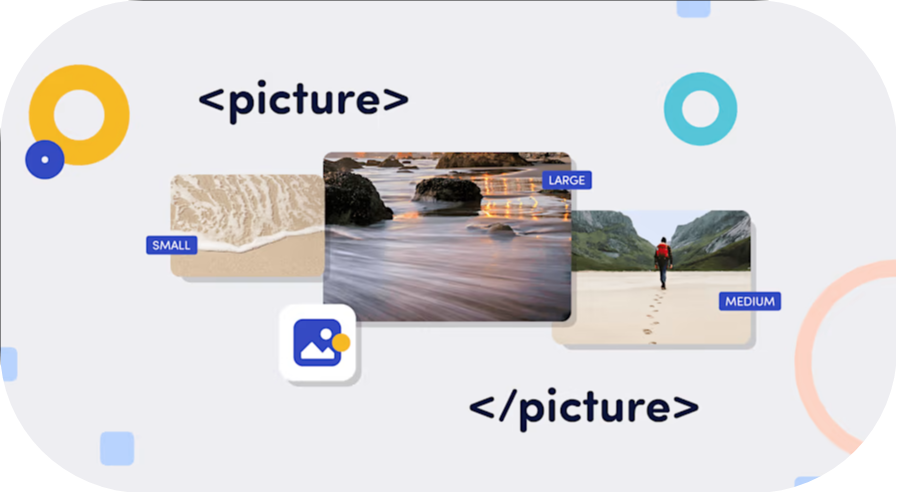
Responsive images can be implemented using techniques such as using CSS to set the image size based on the screen width, using the HTML `<picture>` element with ‘<source>’ elements to provide different image sources for different screen sizes, or using media queries to load different images based on the device’s characteristics.
By using responsive images, web developers can ensure that images are displayed correctly and efficiently across various devices, improving the overall usability and performance of the website. This helps in creating a seamless and visually appealing experience for users, regardless of the device they are using to access the website.
Responsive images are important for several reasons:
- Improved User Experience: Responsive images ensure that images on a website or web application look good and are properly displayed on devices with different screen sizes and resolutions. This helps provide a better user experience for visitors, regardless of the device they are using.
- Faster Loading Times: By serving appropriately sized images based on the device’s screen size and resolution, responsive images can help reduce loading times and improve website performance. This is crucial for optimizing the user experience and SEO rankings.
- Bandwidth Efficiency: Serving images that are optimized for the device’s screen size and resolution helps reduce the amount of data transferred between the server and the user’s device. This can be especially important for users on limited data plans or slower internet connections.
- SEO Benefits: Search engines like Google consider page load speed and mobile-friendliness as ranking factors. By using responsive images, you can improve your website’s performance on mobile devices, which can positively impact your search engine rankings.
- Future-Proofing: Responsive pictures are crucial to maintaining the accessibility and visual appeal of your website across a range of platforms, given the wide range of devices and screen sizes that are now in use. It is possible to future-proof your website and make it compatible with emerging technology by using responsive design concepts.
Understanding the ‘<picture>’ Element
The ‘<picture>’ element is a versatile tool that allows web developers to provide multiple sources for an image based on different criteria such as screen size, resolution, or even color depth. This element offers a more robust solution compared to the traditional ‘<img>’ tag when it comes to delivering optimized images across various devices.
To use the HTML ‘<picture>’ element to define different source images based on device conditions, you can follow these steps:
- Structure your HTML: Start by structuring your HTML code with the ‘<picture>’ element and the ‘<source>’ elements inside it. You can also include an ‘<img>’ element as a fallback for browsers that do not support the ‘<picture>’ element.
- Define Media Queries: Use the ‘media’ attribute within the `<source>` elements to define media queries that target specific device conditions, such as screen width, resolution, or device orientation.
- Specify Image Sources: Within the ‘<source>‘ elements, use the ‘srcset‘ attribute to specify the path to the image source that should be used when the corresponding media query condition is met.
- Fallback Image: Include an ‘<img>‘ element with the ‘src‘ attribute pointing to a default image source. This image will be displayed if none of the media queries match or if the browser does not support the ‘<picture>‘ element.

In this example: – The first ‘<source>’ element specifies the image source for devices with a screen width of 600px or less. – The second ‘<source>’ element specifies the image source for devices with a screen width greater than 600px. – The ‘<img>’ element serves as a fallback image in case none of the specified conditions match. By following these steps and implementing the ‘<picture>’ element with ‘<source>’ elements in your HTML code, you can create responsive images that adapt to different device conditions for an enhanced user experience.
Best Practices and Considerations
When implementing responsive images using the ‘<picture>’ element, consider the following best practices: – Optimize your images for different resolutions to improve loading times and user experience. – Test your responsive images across various devices and screen sizes to ensure consistent rendering. – Use descriptive ‘alt’ attributes for images to enhance accessibility and SEO. By leveraging the HTML ‘<picture>’ element and ‘<source>’ elements, you can create a more adaptive and user-friendly web experience that caters to the diverse landscape of devices and screen sizes prevalent today.
In conclusion, the HTML ‘<picture>’ element provides a powerful mechanism for delivering optimized images based on device characteristics, enhancing the overall responsiveness and performance of your website. Experiment with this feature in your projects to create visually stunning and fast-loading websites that engage users across different platforms.
Remember to replace “small.jpg”, “large.jpg”, and “fallback.jpg” with the actual paths to your image sources to effectively implement responsive images using the ‘<picture>’ element.
With these new strategies, we hope you have a better understanding of responsive images. Learn everything you need to know about responsive images, including best practices and tips for optimizing your website’s performance. Elevate your website’s visual appeal and user experience by harnessing the power of the HTML Picture Element with Bytelabz’s expert guidance on responsive image optimization.
How Design Drives Web Development Success?
Key Element for Successful Web Development
When it comes to web development, there are many aspects that need to be taken into consideration in order to create a successful website. One of the most vital parts of web development is designing. Designing plays a crucial role in the overall success of a website, as it is the first thing that users see when they visit a site. In this blog post, we will discuss why designing is the most vital part in web development and the importance of good design.Importance of Design in Web Development
Designing is the process of creating the visual appearance of a website. It involves choosing colors, fonts, images, and layout to create a visually appealing and user-friendly website. Designing is important in web development for several reasons:-
- First Impressions: The design of a website is the first thing that users see when they visit a site. A well-designed website may entice visitors to remain on it longer and provide a good first impression.
- User Experience: Good design is essential for creating a positive user experience. A well-designed website is easy to navigate, visually appealing, and intuitive to use. This can help to keep users engaged and encourage them to return to the site in the future.
- Branding: Design plays a crucial role in branding. The design of a website should reflect the brand identity and values of a company. A consistent and cohesive design can help to strengthen brand recognition and build trust with users.
- SEO: Design can also impact search engine optimization (SEO). When ranking websites, search engines like Google take into account elements like user experience, mobile friendliness, and page load speed. A well-designed website that is optimized for SEO can help to improve search engine rankings and drive more traffic to the site.
- Conversion Rates: Design can also impact conversion rates. A well-designed website that is easy to navigate and visually appealing can help to increase conversion rates and drive more sales or leads for a business.
Designing Process in Web Development
The designing process in web development involves several steps that help to create a visually appealing and user-friendly website. Some of the key steps in the designing process include:- Research: The first step in the designing process is to conduct research. This calls for knowledge of the competition, the target market, and market trends. Research helps to inform the design decisions and ensure that the website meets the needs and expectations of users.
- Wire framing: Wire framing is the process of creating a basic layout of the website. This helps to establish the structure and flow of the site before adding visual elements. Wire framing is an important step in the designing process as it helps to identify any potential issues with the layout before moving on to the visual design.
- Visual Design: Once the wireframe is approved, the next step is to create the visual design of the website. This involves choosing colors, fonts, images, and layout to create a visually appealing and cohesive design. Visual design is important for creating a strong brand identity and engaging user experience.
- Prototyping: Prototyping involves creating interactive mock-ups of the website. This helps to test the functionality and user experience of the site before it is developed. Prototyping is an important step in the designing process as it helps to identify any usability issues and make necessary changes before the site goes live.
- Testing and Feedback: The final step in the designing process is testing and gathering feedback. This involves testing the website on different devices and browsers to ensure that it is responsive and user-friendly. Gathering feedback from users and stakeholders helps to identify any issues and make necessary improvements before the site is launched.
Getting Around the Digital Maze: Selecting the Best Web Design Firm for Your Enterprise
Today, choosing a web design firm is a crucial choice that may have a significant influence on your organization in the ever-changing world of online presence. A well-designed website can boost your brand, engage your audience, and help you succeed. It’s more than simply a digital storefront. A well-designed website can attract visitors, engage them with your content, and ultimately convert them into customers. In this blog post, we will discuss the importance of web design, key principles to keep in mind when designing a website, and tips for creating a visually appealing and user-friendly site.The Importance of Selecting a Web Design Firm wisely!
Web design companies in Trivandrum are many in the digital realm, all vying for your business as the finest. All are not made equal, though. Selecting the ideal web design firm is similar to picking a business partner in that it calls for serious thought, investigation, and a clear grasp of your own goals and requirements.- Setting Objectives
- Evaluation of Portfolios
- Customer Testimonials and Evaluations
- Technical Proficiency
- Interaction and Cooperation
- Considering the Budget
Key Principles of Web Design
When designing a website, there are several key principles to keep in mind to ensure that your site is visually appealing, user-friendly, and effective in achieving your goals. Some of the key principles of web design include:-
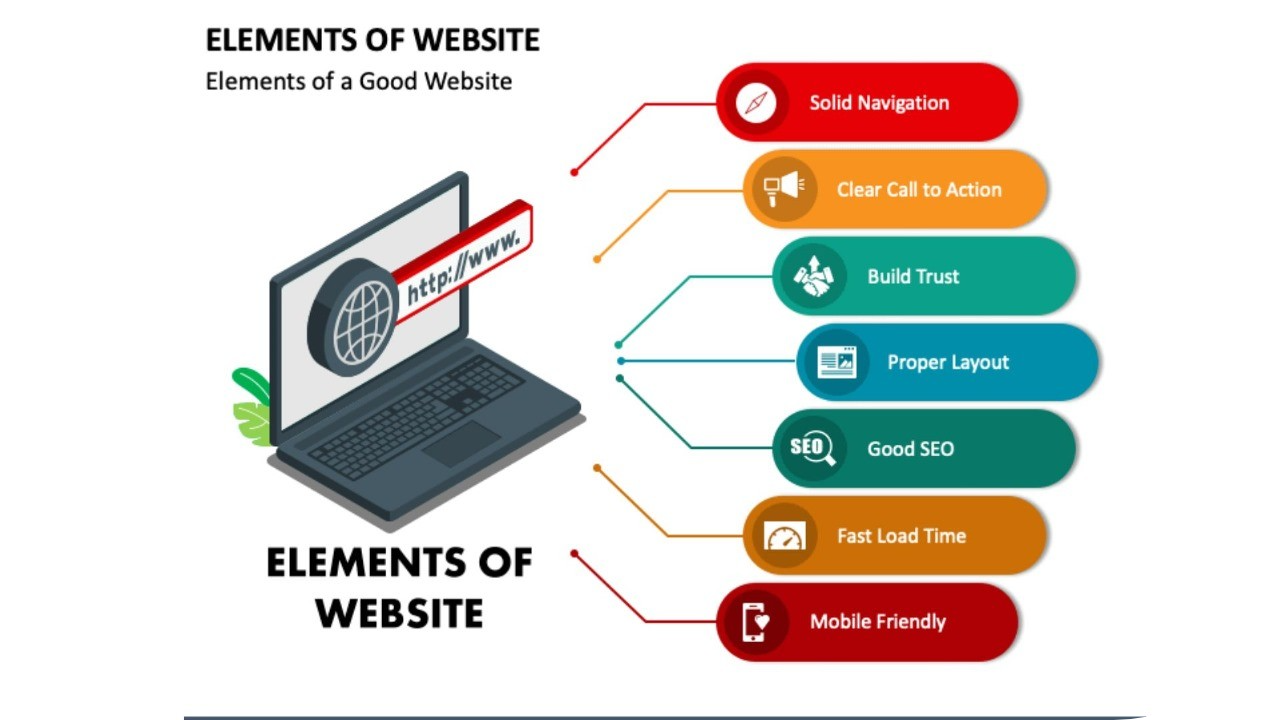
- User Experience (UX) Design: User experience design is all about creating a positive experience for visitors to your website. This includes making sure that your site is easy to navigate, loads quickly, and is accessible on all devices. By focusing on the user experience, you can keep visitors on your site longer and increase the chances of them converting into customers.
-
- Responsive Design: With the increasing use of mobile devices, it is important to ensure that your website is responsive and can adapt to different screen sizes. Your website will appear fantastic on all platforms, including desktops, tablets, and smartphones, thanks to a responsive design.
-
- Visual Hierarchy: Visual hierarchy refers to the arrangement of elements on a webpage to guide the user’s attention and help them navigate the site. By using visual cues such as color, size, and placement, you can draw attention to important elements and make it easier for visitors to find what they are looking for.
-
- Typography: Typography plays a crucial role in web design, as it can affect the readability and overall look of your site. Choose fonts that are easy to read and complement your brand’s style, and make sure to use a consistent font hierarchy throughout your site.
-
- Color Theory: Color is a powerful tool in web design, as it can evoke emotions and help create a cohesive brand identity. Choose a color scheme that reflects your brand’s personality and use it consistently throughout your site to create a visually appealing and memorable experience for visitors.
Tips for Creating a Visually Appealing Website
In addition to following the key principles of web design, there are several tips that can help you create a visually appealing and user-friendly website. Here are some pointers to remember:

- Keep it Simple: Avoid cluttering your website with too many elements, and focus on a clean and simple design that is easy to navigate.
- Employ High-Quality Photos: You may increase the visual appeal and engagement of your website by using high-quality photos. Invest in professional photography or use stock photos to enhance the look of your site.
- Consistent Branding: Make sure to use consistent branding elements such as colors, fonts, and logos throughout your site to create a cohesive and professional look.
- Test Your Design: Before launching your website, make sure to test it on different devices and browsers to ensure that it looks and functions correctly. This will help you identify any issues and make necessary adjustments before going live.
7 WEBSITE DESIGN IDEAS TO CREATE A RESULTING WEBSITE
These days, having an online presence is crucial for businesses of all sizes. A website often creates the first impression of your business, so making it count is essential. Online design tools have made building websites easier, but creating a unique and effective site that delivers results can still be challenging. With their remarkable site design talents, Bytelabz, a Trivandrum-based web design company, can assist you with this. These are 7 web designing concepts to help you build a website that gets traffic. 7 Design Tips for a Successful Website The internet has become increasingly congested in recent years, with dozens of websites. The website needs to be visually appealing in order to stand out from those. A well-designed website not only draws in visitors, but also offers them an enjoyable and unforgettable experience. Here are some pointers for building a successful website. Make it easy to use. A clear and simple navigation system makes it easier for visitors to find what they need, improving user experience and encouraging more interaction. Use clear labels, consistent layouts, highlighted active pages, and a working search bar to help users navigate smoothly. Make sure your website is responsive on all devices. A responsive design improves user experience, keeps visitors engaged, looks great on any screen, and boosts your search rankings. Many tools check website responsiveness. Include a call to action The website’s users are drawn to the relevant steps when an effective call-to-action is used. To instill a sense of urgency and encourage people to interact with the website, it requires an engaging design and strategic placement. Phrases that encourage users to take action, such as “Sign Up Now,” “Learn More,” “Call Us Now,” and “Find Out More,” have the ability to refocus users’ attention. Therefore, via intentional and deliberate contact, a well-designed call-to-action may serve as a bridge between website users and the intended consequences. You may now contact Bytelabz, the best web design company in Trivandrum, with confidence if you want to improve your website with an eye-catching call to action.Building a User-Focused Website
Customers should be the focus of websites in order to draw in visitors. To ensure seamless operation, they must comprehend the intended audience. A user-friendly, attractive website keeps visitors engaged. Clear content and good support make users feel valued and encourage them to return.
Successful Design
Any sort of business may benefit from having a well-designed and visually appealing website. A website’s overall appearance, which creates an audience’s initial impression, is complemented by a straightforward, well-balanced design that incorporates the appropriate colour, text, graphics, and style. The goal and selling point of the brand should be reflected in every piece. Consequently, a strong website is mostly dependent on its design. The method is iterative, requiring on going user behavior analysis, customer feedback collection, and iterative improvement. Bytelabz is a web design business in Trivandrum that is an excellent choice to get your amazing websites ready if you’re searching for a reliable firm to create the website of your dreams.
Establishing Credibility
Building a strong reputation on your website is key to attracting and retaining visitors. A professional design, clear info, and great customer service help establish trust. An authentic “About Us” page with your mission, contact details, and key info fosters confidence among users.
Enhancing the Speed of Websites
A website’s success is greatly influenced by its speed. Visitors anticipate a website to load in little more than three seconds. When it goes beyond, people become irritated and visit other websites. As a result, fast websites are supposed to be user-friendly. In the case of search engines, they favor websites that operate quickly and smoothly. From a commercial perspective, search engines like as Google guarantee that websites they rank highly fast, allowing for smooth surfing at the top. Furthermore, as response times have a significant impact on website speed, optimizing server setups aids in lowering response times. Consequently, a fast website guarantees both an improved user experience and a higher SEO ranking.
Numerous tools gauge page loading speed. We suggest Google’s PageSpeed Insights and independent options like GTmetrix or Pingdom.

A Single-Page web designing
The one-page web designing style has become more and more common in recent years because of its effective content presentation and straightforward, user-friendly design. A one-page website, as opposed to conventional multi-page websites, eliminates complexity, needless clicks, and produces an ideal user experience. Due to their increased popularity, mobile-friendly websites guarantee a larger audience. When compared to multi-page websites, the loading time for a single page is similarly minimal. When a page loads more quickly, users are more likely to stick around. One-page layouts with quicker loading times provide better user experiences, greater search engine rankings, and lower bounce rates.
Social networking icons that facilitate the simple sharing of your website’s content are essential if you want to improve the performance of your website. This enables you to reach a wider audience with your website. Additionally, making material on the website scannable makes it easier for users to browse and scan it at their convenience.
To sum up, having a website alone is no longer sufficient due to the fierce competition that exists nowadays. Every day, it should be monitored and updated with the required uploads. When website visitors convert to consumers, the website is considered successful; this has a big influence on business expansion. The process of creating a website requires many logical phases and is truly an art.
If you want to talk to a licensed Trivandrum web design company, the best place to go is Bytelabz.
Testing and Debugging Website Development
Tools and Techniques for Testing and Debugging Website Development in 2024
In the fast-paced world of website development, staying ahead of the curve is crucial to delivering high-quality, reliable websites. Testing and debugging are essential steps in the development process to ensure that websites function correctly, perform well, and provide a seamless user experience. In 2024, developers have access to a wide range of advanced tools and techniques to streamline the testing and debugging process. Testing and debugging are regarded by web design firms in Trivandrum as the fundamental components of website development. The most crucial tools and methods you need to employ to build dependable and seamless online apps are covered in the blog post “Testing & Debugging in Web Development: Tools & Techniques.” Use these ideas to improve your development skills and write error-free code. This is a crucial developer toolbox. Let’s explore some of the cutting-edge tools and techniques that are shaping the landscape of website development in 2024.The Role of Debugging and Testing Tools in Website Development
One of the most important aspects of the dynamic website development environment is the tools available for testing and debugging. They are essential to quality assurance, which strives to ensure that every line of code has been thoroughly inspected for flaws, errors, and performance concerns. Additionally, they are essential in enhancing the user experience in general by guaranteeing peak performance, quick loading times, and cross-browser compatibility. The development process might be less iterative thanks to debugging tools, which make it possible to swiftly find and fix code errors. These technologies are essential to maintaining the security and dependability elements in this degree of unprecedented digitization. Also, there are cost-saving benefits to using testing and debugging tools. However, even if some people would view these instruments as unnecessary expenses, the money was at least wisely spent. Early problem solving, before to the deployment of significant resources, contributes to overall efficiency and reduces the need for expensive bug repairs once a project is put into production. These technologies serve as the foundation for many great web projects and are partners in providing dependable and safe digital solutions that attract users in this fiercely competitive online space.Top Tools for Website Testing and Debugging
In website creation, our Top web design company in Trivandrum recommends the following common tools and strategies for testing. Look closely, as follows:
- AI-Powered Testing Tools:
- Quantum Computing for Testing:
- Augmented Reality Debugging Tools:
- Block chain for Secure Testing:
- Voice-Activated Testing Assistants:
- JUnit and TestNG:
Website Testing and Debugging Tips for 2024
- Genetic Algorithm Testing:
- Neural Network Debugging:
- Predictive Analytics for Bug Detection:
- Continuous Integration with AI Insights:
Exploring Top Predicted SEO Trends 2024
As we stand on the cusp of a new year, it’s essential for businesses and digital marketers to stay ahead of the curve by anticipating and preparing for the latest trends in search engine optimization (SEO). The digital landscape is always changing, and keeping up with the SEO trends for 2024 is essential to stay competitive online.
Voice Search Optimization
As voice-activated devices like Siri, Alexa, and Google Assistant become more common, voice search optimization will be increasingly important in 2024. Businesses must adapt their SEO strategies to focus on conversational, long-tail keywords and provide clear, concise answers to user questions.AI & Machine Learning Integration
With the rise of Siri, Alexa, and Google Assistant, voice search will be a key SEO focus in 2024. Businesses should optimize for conversational, long-tail keywords and deliver clear answers to common queries.E-A-T and Content Quality
E-A-T—Expertise, Authoritativeness, and Trustworthiness—will remain crucial for SEO in 2024. Search engines will favor high-quality, well-researched content from credible sources. To rank well, businesses must deliver valuable insights and build strong reputations in their fields.Mobile-First Indexing & User Experience
As mobile traffic grows, search engines will emphasize mobile-first indexing in 2024. Businesses must focus on mobile responsiveness, fast loading speeds, and seamless user experiences to stay visible.Local SEO and Geo-Targeting
With the growing importance of local searches, businesses will need to refine their local SEO strategies to target geographically relevant audiences. In 2024, optimizing for local keywords, creating location-specific content, and managing business listings across various platforms will be essential for capturing local search traffic and driving foot traffic to physical locations.Answer Engine Optimization
As AI, chatbots, and voice search grow, optimizing content for search engines like Google and tools like ChatGPT is key. This means creating content that AI can easily understand and use. Consider structuring your content around common questions and using Q&A formats like FAQs. Learn more about optimizing your website for search engines.How to Implement It:
- Create information that provides concise, straightforward answers to certain queries.
- Include a Q&A section in your writing.
- Organize your material according to possible conversational search terms.
- To make content easier for AI and machine learning algorithms to grasp, emphasize conciseness and clarity.
Topical Authority
Topical authority is increasingly important. It means becoming a trusted expert on a specific subject and covering it fully. Search engines prioritize content that shows expertise and trustworthiness. To build authority, businesses must create high-quality, relevant content. Consistently producing in-depth, well-researched content helps showcase your expertise. For more, check out Ahrefs’ guide to topical authority.How to Implement It:
- Provide thorough writing that delves deeply into every facet of the subject you have selected.
- Create a variety of information, including themes that are linked.
- Use internal links to connect pertinent material.
- For writers with credentials, use author biographies.
Video SEO
Video content presents a huge potential, with digital video viewership predicted to reach 3.5 billion by the end of 2023. Purchase choices are greatly influenced by and highly shareable video content. To take full advantage, create and optimize video content for Google and YouTube search. Check out the Definitive Guide on Video SEO on Backlinko.How to Implement It:
- Create interesting videos that speak to your viewers’ needs and interests.
- Make sure your video tags, descriptions, and titles are optimised for search engines.
- Include videos on your website with pertinent written information.
Google Search Generative Experience
SGE is a new Google feature that uses advanced AI and machine learning to deliver more accurate, in-depth, and relevant search results. This shift highlights the importance of clear, trustworthy, and easy-to-understand content in SEO.How to Implement It:
- Recognize the possibilities that Google’s SGE offers for producing answers to user inquiries.
- Ensure your information is clear, concise, and helpful for efficient processing.
- Stay updated on Google’s latest SGE guidelines to keep your content relevant and compliant.
Staying competitive in 2024’s digital landscape requires a proactive SEO approach. Trends like the return of PageRank, driven by AI-generated content, are shaping strategies. Google is focusing on authoritative content, high-quality backlinks, and material validity. The Google Search Generative Experience, Answer Engine Optimization, Topical Authority, and Video SEO are some more noteworthy advancement.
Each trend needs a different approach, like creating clear content and keeping up with AI changes. Success in digital marketing depends on how well you can adapt.
What Are the Top Modern Web Design Trends?
Designing the Future: Unveiling Modern Web Design Trends and Techniques
In today’s digital age, web design is constantly evolving as new technologies and trends emerge. With online presence more important than ever, modern web design trends help create attractive, user-friendly websites that keep visitors engaged. In this blog, we will explore some of the latest trends and techniques in modern web design, and how they are influencing the creation of stunning and functional websites.
- Responsive Design
- Minimalism and Clean Layouts
- Bold Typography and Custom Fonts
- Dark Mode and Light/Dark Themes
- Micro-Interactions and Animations
- 3D Graphics and Illustrations
- Accessibility and Inclusive Design
- AI-Powered Personalization
- Sustainability and Eco-Friendly Design
- Voice User Interface and Conversational Design