

Introduction
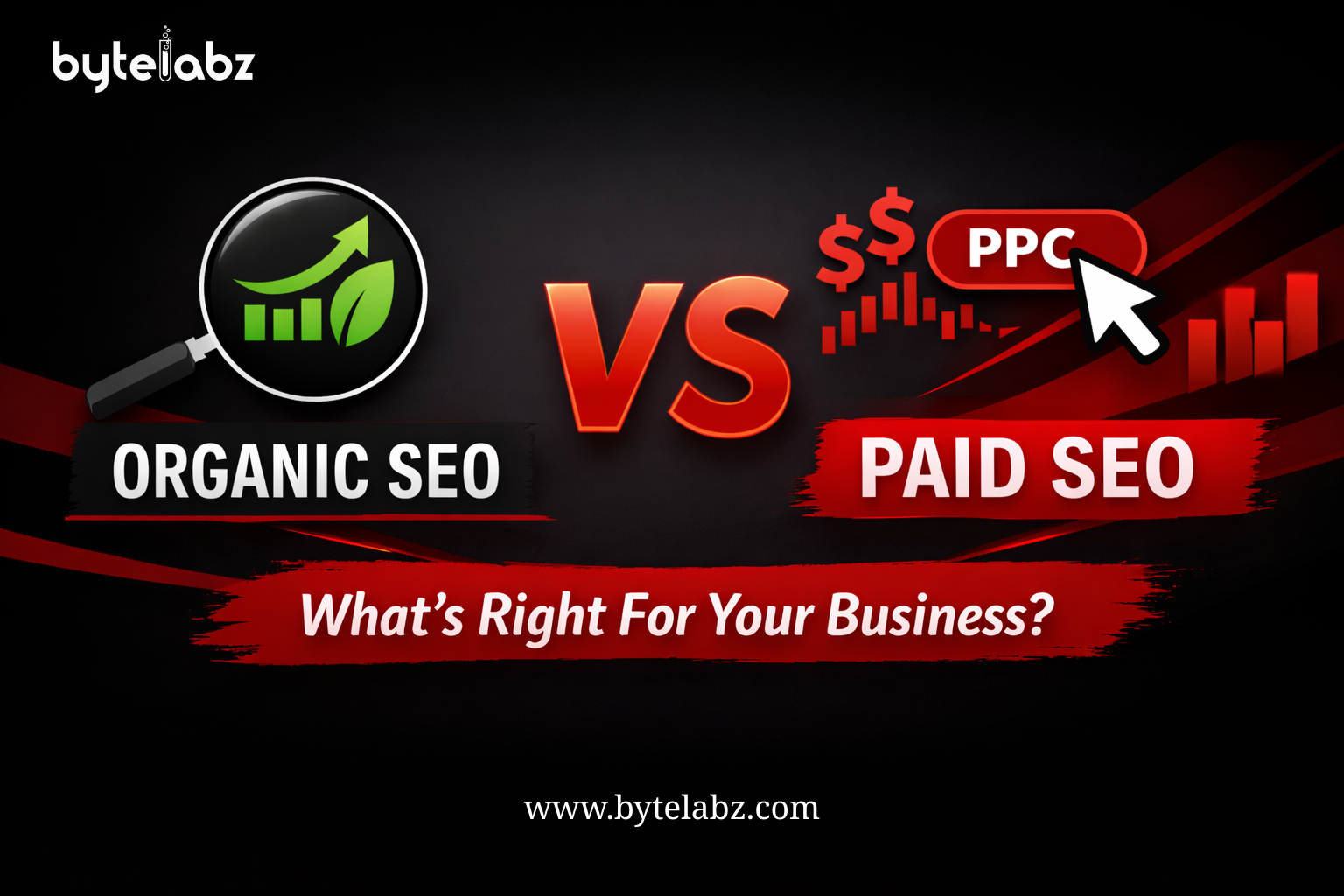
In the digital age, businesses rely heavily on search engines to attract customers and build brand awareness. Whether a company is launching a new website or expanding its digital marketing strategy, improving search engine visibility is essential. One of the most common discussions in digital marketing is Organic SEO vs Paid SEO, as both approaches help businesses appear in search engine results but in different ways.
Understanding how these strategies work can help organizations choose the most effective approach based on their goals, budget, and growth plans. Both methods have unique advantages, and many successful businesses use a combination of the two to achieve the best results.
Understanding Organic SEO
Organic SEO refers to the process of improving a website’s ranking in search engine results naturally, without paying for advertisements. It focuses on optimizing website content, structure, and credibility so search engines recognize the website as valuable and relevant to users.
Key Elements of Organic SEO
1. High-Quality Content
Creating valuable and informative content is one of the most important factors in organic search ranking. Well-written articles, blogs, and guides help attract visitors while answering their questions effectively.
2. On-Page Optimization
This includes optimizing page titles, meta descriptions, headings, images, and internal links to ensure search engines understand the content of the website.
3. Technical SEO
Technical improvements such as fast loading speeds, mobile responsiveness, secure connections, and clean website structure play a major role in improving rankings.
4. Link Building
Earning backlinks from trusted websites helps build credibility and authority in search engines.
Organic SEO usually takes time to produce results, but the benefits are long-lasting and contribute to sustainable online growth.
What Is Paid SEO?
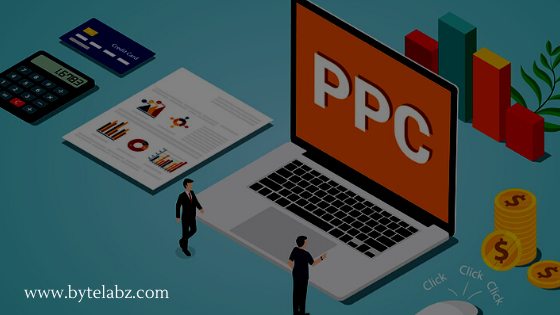
Paid SEO, commonly known as Pay-Per-Click (PPC) advertising, involves paying search engines to display advertisements at the top of search results. Businesses bid on specific keywords so their ads appear when users search for related topics.
Benefits of Paid SEO
1. Immediate Visibility
Unlike organic SEO, paid campaigns can place a website at the top of search results almost instantly.
2. Targeted Marketing
Paid campaigns allow businesses to target specific audiences based on location, interests, devices, and search behavior.
3. Measurable Performance
Detailed analytics provide insights into clicks, impressions, conversions, and campaign effectiveness.
4. Flexible Budget Control
Businesses can control their advertising budgets and adjust campaigns according to performance and goals.
Paid SEO is especially useful for new businesses, product launches, promotional campaigns, or highly competitive markets.
Organic SEO vs Paid SEO: Key Differences
When evaluating Organic SEO vs Paid SEO, it is important to understand how they differ in terms of cost, speed, and long-term value.
Cost Structure
Organic SEO mainly requires an investment in time, expertise, and content development. Paid SEO, on the other hand, requires continuous spending on advertisements to maintain visibility.
Speed of Results
Paid SEO can generate traffic immediately after campaigns are launched. Organic SEO takes longer to build authority and improve rankings.
Long-Term Impact
Organic SEO provides long-term value because strong rankings can continue generating traffic even without ongoing advertising costs. Paid SEO stops producing results once the campaign budget ends.
User Trust
Many users trust organic results more because they appear based on relevance rather than paid placement.
When Businesses Should Focus on Organic SEO?
Organic SEO is particularly effective for businesses that want to build long-term brand authority and consistent online visibility. Companies that regularly publish helpful content and optimize their websites can gradually increase their search rankings and attract loyal audiences.
Digital solution providers such as Bytelabz have highlighted the importance of long-term SEO strategies for businesses looking to strengthen their online presence in competitive markets.
By focusing on high-quality content, technical optimization, and strategic link building, businesses can create a strong digital foundation that delivers sustainable growth.
When Paid SEO Becomes the Ideal Choice?
Paid SEO is often the preferred option for businesses that need quick visibility or immediate traffic. It is particularly effective in the following situations:
- Launching a new product or service
- Promoting seasonal campaigns
- Entering a competitive market
- Driving quick traffic to landing pages
Paid campaigns can deliver immediate results and provide valuable data about user behavior and keyword performance.
Why Does a Balanced Strategy Work Best?
Rather than choosing only one method in the Organic SEO vs Paid SEO debate, many businesses benefit from combining both strategies. A hybrid approach allows organizations to gain immediate traffic while building long-term search visibility.
For example, companies can use paid campaigns to generate quick leads while investing in organic SEO to create lasting brand authority. Technology companies like Bytelabz, based in Trivandrum, often recommend this balanced strategy for businesses aiming to achieve consistent digital growth.
By integrating both methods, businesses can maximize their online reach and create a sustainable marketing ecosystem.
Conclusion
The discussion around Organic SEO vs Paid SEO ultimately comes down to business goals, timeline, and available resources. Organic SEO provides long-term value and credibility, while paid SEO offers instant visibility and targeted advertising opportunities.
Businesses that understand how to strategically use both approaches are more likely to achieve stronger digital performance and sustainable growth. A thoughtful combination of these strategies can help organizations reach their audience effectively and build a powerful online presence.
Those exploring ways to improve their digital visibility may benefit from learning more about modern SEO strategies and how they align with their business objectives.
FAQs
1. What is the main difference between Organic SEO and Paid SEO?
The main difference between Organic SEO vs Paid SEO lies in how search visibility is achieved. Organic SEO focuses on improving a website’s ranking naturally through content optimization, backlinks, and technical improvements. Paid SEO, on the other hand, involves paying for advertisements to appear at the top of search engine results. While paid SEO delivers faster results, organic SEO builds long-term credibility and sustainable traffic.
2. Which strategy is better for small businesses?
Both strategies can benefit small businesses depending on their goals and budget. Organic SEO is often ideal for long-term growth and brand authority, while paid SEO can generate immediate traffic and leads. Many digital marketing experts recommend combining both strategies to achieve consistent online visibility.
3. How long does Organic SEO take to show results?
Organic SEO typically takes three to six months to show noticeable improvements in search rankings. However, the timeline can vary depending on competition, keyword difficulty, website quality, and optimization efforts. Businesses that invest in consistent content creation and technical optimization usually see stronger long-term results.
4. Is Paid SEO worth the investment?
Paid SEO can be a valuable investment for businesses that need quick visibility or want to promote specific products or services. Since paid campaigns allow precise audience targeting and performance tracking, they are useful for marketing campaigns, product launches, and competitive industries.
5. Can businesses use Organic SEO and Paid SEO together?
Yes, combining both strategies is often the most effective approach. Paid SEO can generate immediate traffic while Organic SEO builds long-term search visibility. Many digital marketing professionals recommend using paid campaigns to test keywords and then optimizing content for organic search.
6. How can a business choose the right SEO strategy?
Choosing between Organic SEO vs Paid SEO depends on business goals, marketing budget, and timeline. Companies looking for quick traffic may prefer paid campaigns, while those focusing on long-term growth may prioritize organic SEO. Consulting experienced digital marketing professionals, such as the team at Bytelabz, can help businesses identify the most suitable strategy.
Looking for more practical SEO tips and tricks to improve your website rankings? Visit the Bytelabz Blog and explore expert insights, digital marketing strategies, and proven optimization techniques shared by the Best SEO Service Company Trivandrum. These guides are designed to help businesses stay ahead in search results and grow their online presence effectively.